Reading the Water: Where Virtual Fish Like to Gather
Finding the right spot often matters more than having the best rod. These tips will help you read lakes and rivers in fishing games and spend less time waiting for bites.
Why Location Comes First
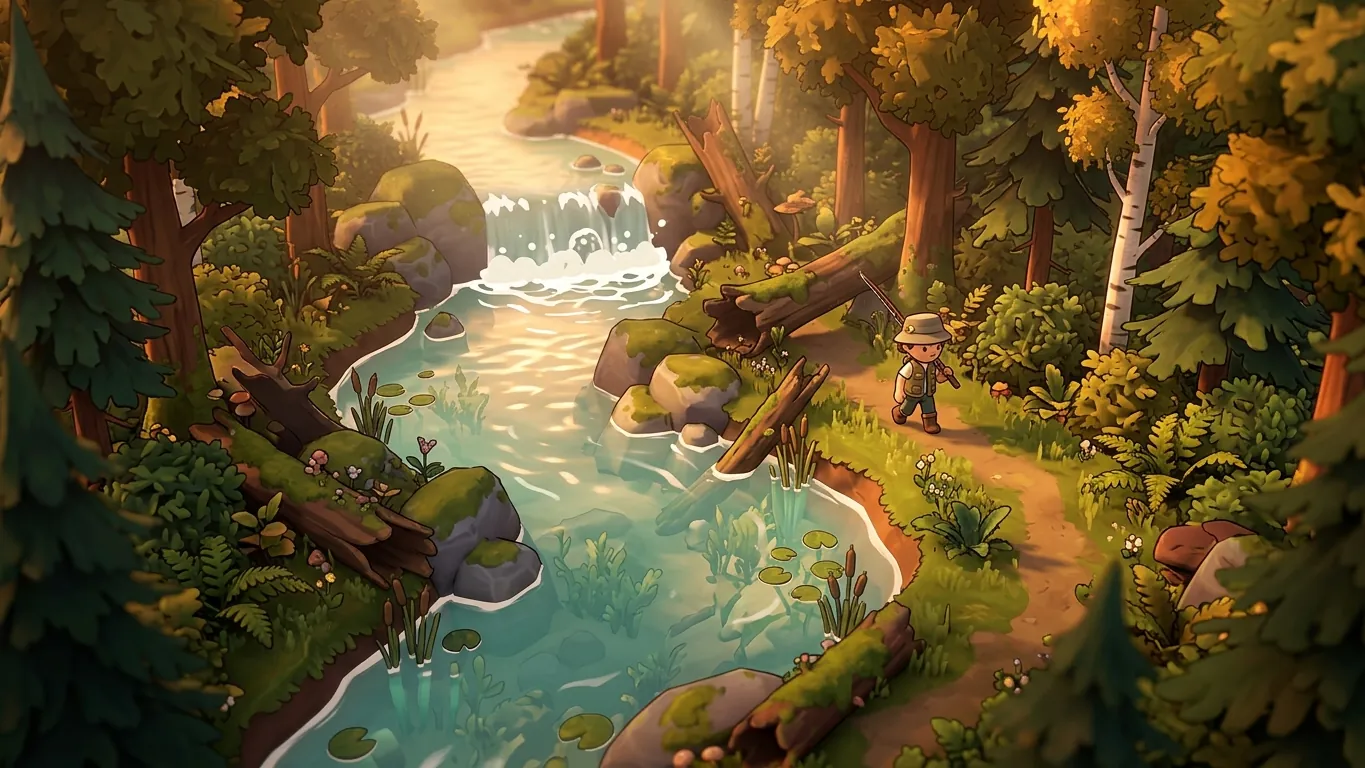
In many fishing games, fish are not spread evenly across the water. Developers often place them around certain features, at certain depths or in certain parts of the map. That means where you cast can make a huge difference to how often you get a bite.
If you have ever sat in one place for a long time with no luck, the problem may not be your bait or your timing at all. It might just be a quiet spot. Learning to read the water is one of the most rewarding skills in virtual fishing, and it makes every session feel more purposeful.
Structure: Where Virtual Fish Like to Hide
Structure means anything that breaks up the open water: fallen logs, rocks, docks, weed beds, lily pads and drop-offs. Many fishing games borrow from real angling ideas here, placing fish near cover where they can rest or hunt.
When you arrive at a new lake, take a moment to look around before casting. Are there trees leaning over the water? A wooden pier? A rocky point sticking out into the lake? These are all good places to try first. Cast close to the structure rather than right on top of it, so your bait passes by where fish are likely waiting.
Depth, Shade and Current
Depth is another key factor. Some species prefer shallow, warm water, while others stay deep. Games that show depth on a map or through a sonar-style tool make this easier, but you can also watch how long your bait takes to sink or how the shoreline slopes.
Shade is worth noticing too. Areas under trees, bridges or docks are often treated as cooler, safer spots. In rivers, current plays a role: fish in many games gather at the edges of fast water, behind rocks or in calmer pools below rapids. Casting upstream and letting your bait drift naturally into these areas can be very effective.
Using In-Game Hints Without Relying on Them
Plenty of fishing games give you clues. You might see bubbles, ripples, jumping fish, shadows under the surface or birds circling over a spot. Some games include a fish finder, a journal or notes from other characters about where certain species live.
These hints are useful, and there is no shame in using them. Still, try to combine them with your own observations. If you notice that a fish appeared near a weed bed in the evening, remember it. Over time you will build a mental map of each area, and fishing will feel less like guessing and more like real exploration.
Move On When a Spot Goes Quiet
One of the friendliest pieces of advice for new players is this: do not be afraid to move. If a spot gives you nothing after a reasonable number of casts, try somewhere else. Fish in many games move around depending on time of day or weather, so a spot that was busy in the morning might be empty by midday.
A simple habit is to work around a lake in sections. Try a few casts near one piece of structure, then walk or row to the next. You will cover more water, discover new places and keep the session lively. And when you find a spot that keeps producing, you will have a favourite to return to.
Related articles
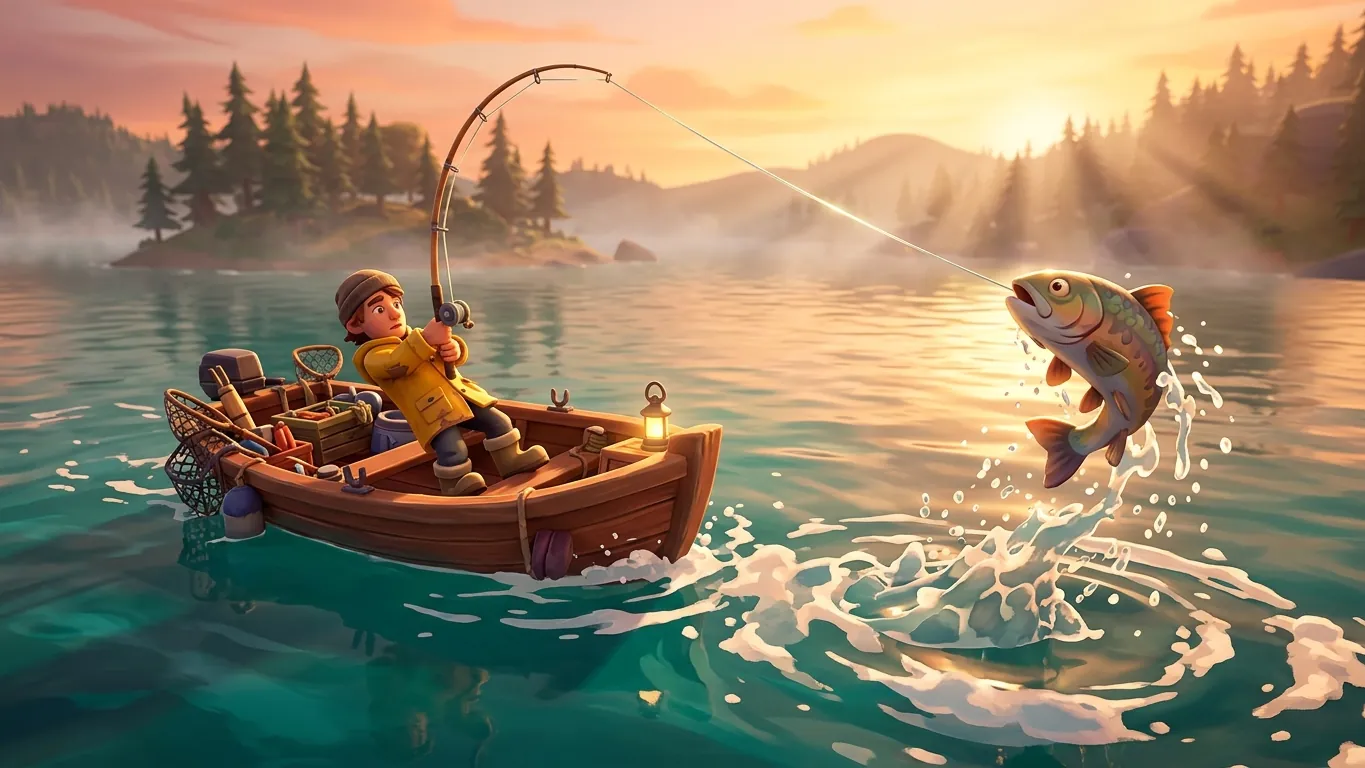 Mastering Line Tension Without the Stress
Struggling with snapped lines? Learn how line tension usually works in fishing games and follow a calm routine for landing larger virtual fish.
Read more
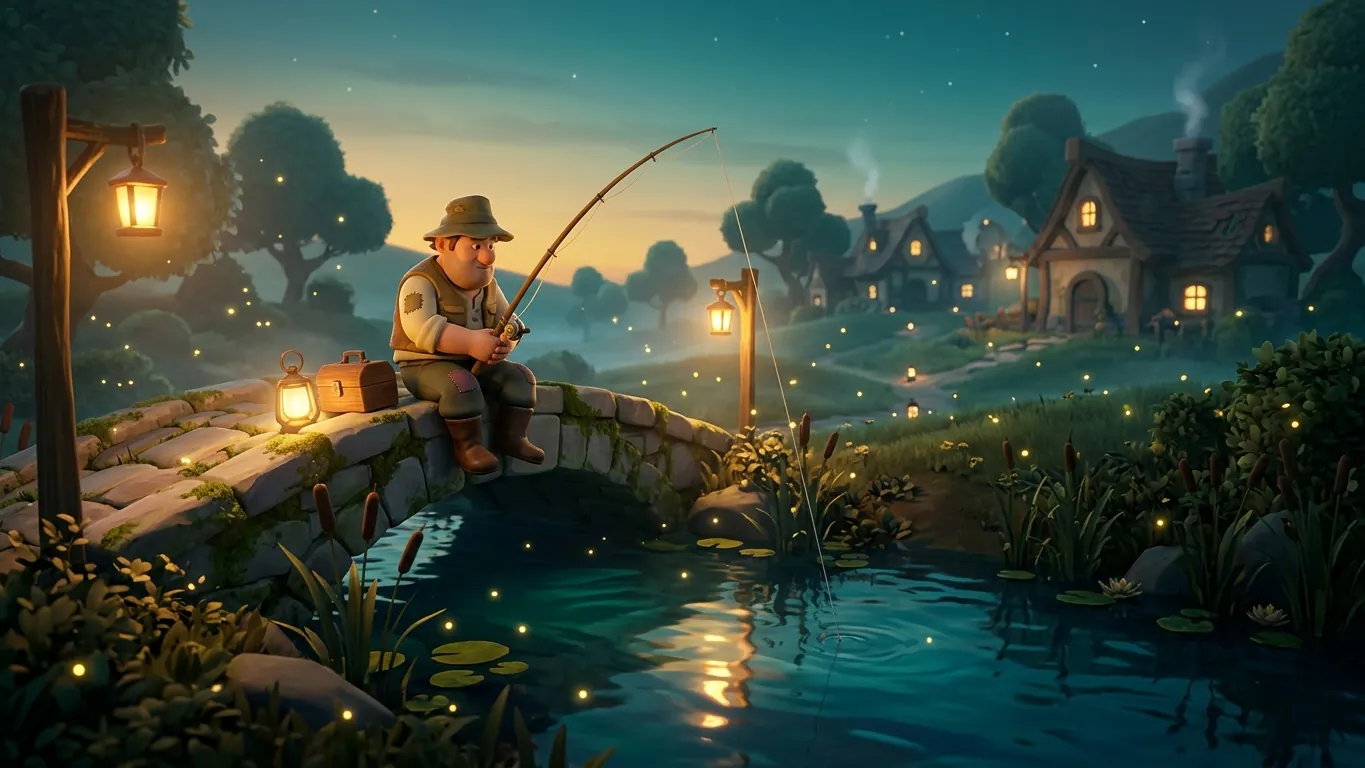 Why Fishing in Games Feels So Relaxing
An opinion piece on why fishing activities in video games feel so calming, from gentle rhythm to unhurried collecting, and when they become a chore.
Read more
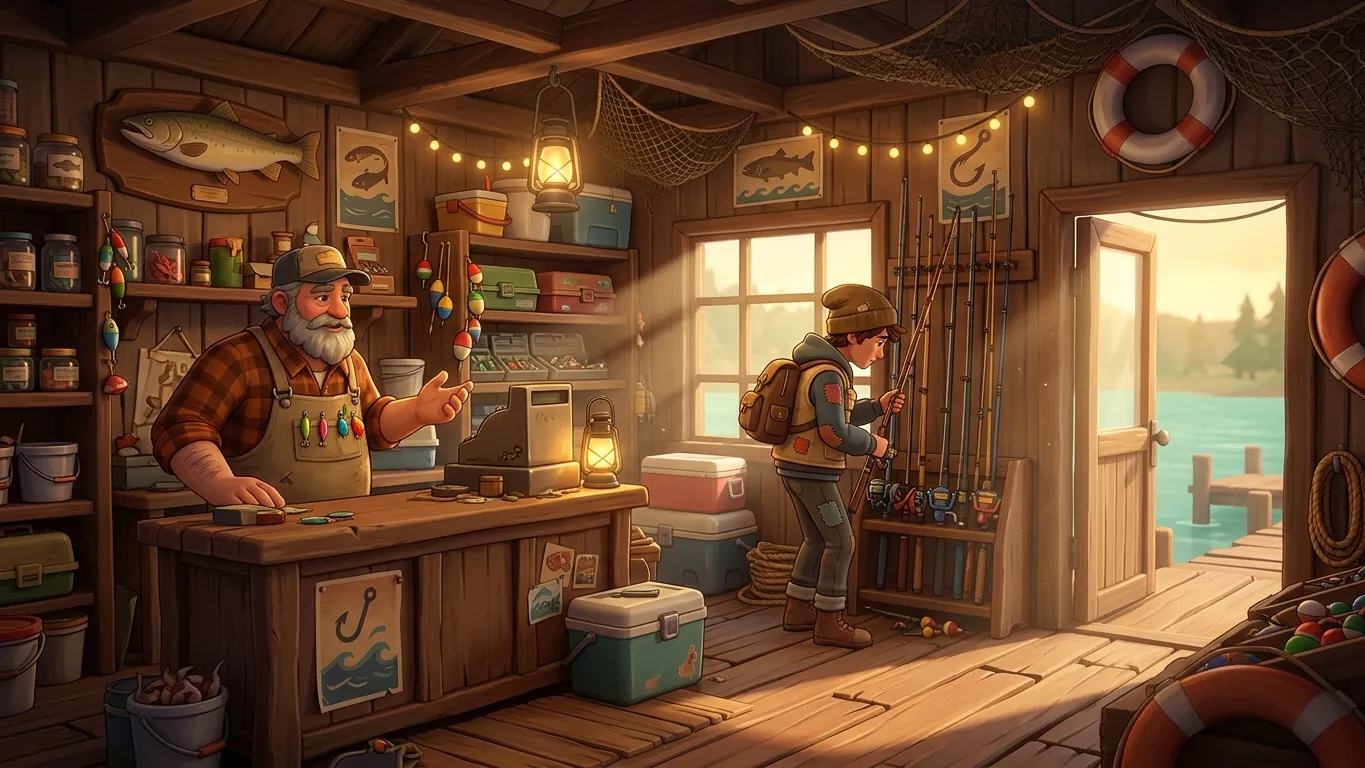 Upgrading Your Virtual Tackle the Smart Way
A practical guide to gear progression in fishing games: which upgrades to prioritise, when to upgrade and how to spend in-game currency wisely.
Read more