How Time, Weather and Seasons Shape Your Catch
Many fishing games change which fish appear depending on the clock, the weather and the season. This explainer shows how these systems often work and how to plan around them.
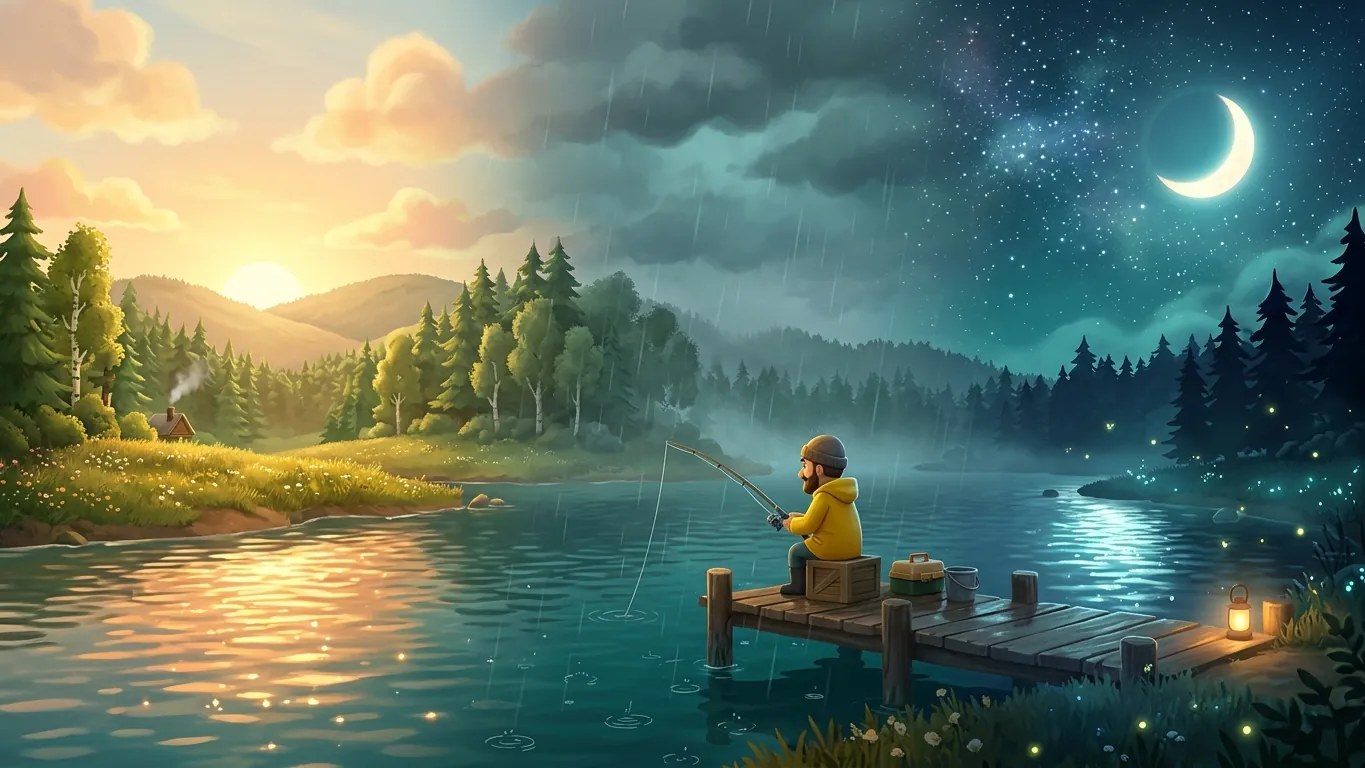
Why Many Fishing Games Simulate Time
A dynamic world makes fishing feel alive. Many games include a day-night cycle, changing weather and sometimes seasons, and they often use these systems to decide which fish are active. A species you never see at noon might appear regularly at dusk.
This design keeps things interesting. It encourages you to return to the same lake at different times and notice how it changes. It also gives collection logs more depth, since some entries can only be filled under the right conditions. Understanding these patterns is one of the most useful skills a virtual angler can develop.
Morning, Midday and Night
Games frequently borrow ideas from real angling, where early morning and evening are often considered lively times. In many titles, you may notice more surface activity at dawn and dusk, making topwater lures a natural choice during these hours.
Midday can be quieter in some games, with fish moving deeper or into shade. Night fishing often has its own special species and atmosphere, sometimes with glowing water, lanterns or unusual creatures. If your game includes a fish journal, check whether it lists active times for each species. It can save you a lot of waiting.
Weather Effects
Weather adds another layer. Rain, fog, wind and storms can all change the mood of a session, and in many games they change what you can catch too. Some rare fish may only appear during rain, while clear skies might favour others.
Weather can also affect gameplay directly. Wind may push your cast off target, rough water might make boat fishing harder and fog can reduce how far you can see. When the weather turns, think of it as an opportunity rather than an obstacle. It could be the perfect moment to try for something new.
Seasons and Rotating Catches
Games with seasons often rotate fish throughout the year. Certain species may only be available in spring, while others show up in winter, sometimes through ice fishing. This encourages long-term play and makes each season feel distinct.
If you notice a fish missing from your collection, it might simply belong to a different season. Keeping a few personal notes on what you catch and when can help you plan ahead. Some players enjoy setting small goals for each season, which keeps the hobby fresh over time.
Planning Your Session Around the Clock
Once you know how your game handles time and weather, you can plan sessions with a clear goal. Check the in-game clock and forecast if available, decide which species you want to try for and choose the right bait and location before heading out.
That said, planning is optional. Some of the nicest sessions happen when you simply wander to a lake and see what is biting. Whether you prefer careful planning or relaxed exploration, understanding these systems helps you make sense of what you catch and enjoy the changing world around you.
Related articles
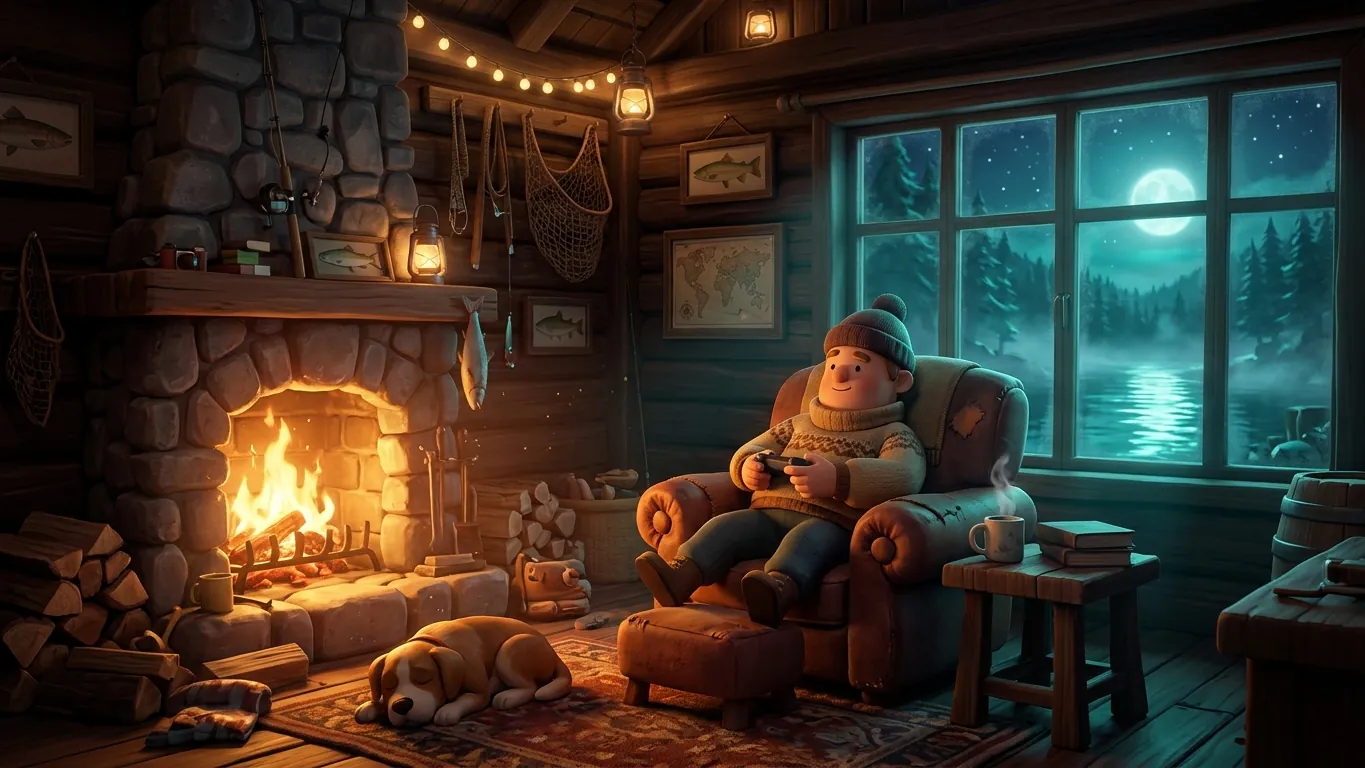 Comfortable Fishing Game Sessions for Real Downtime
Tips for relaxed fishing game sessions: setting up your gaming spot, adjusting controller settings, pacing your play and making downtime enjoyable.
Read more
Sharing the Lake: Fishing Games With Friends
Ideas for enjoying fishing games with friends, from co-op lake trips and friendly challenges to couch play and keeping sessions fun for everyone.
Read more
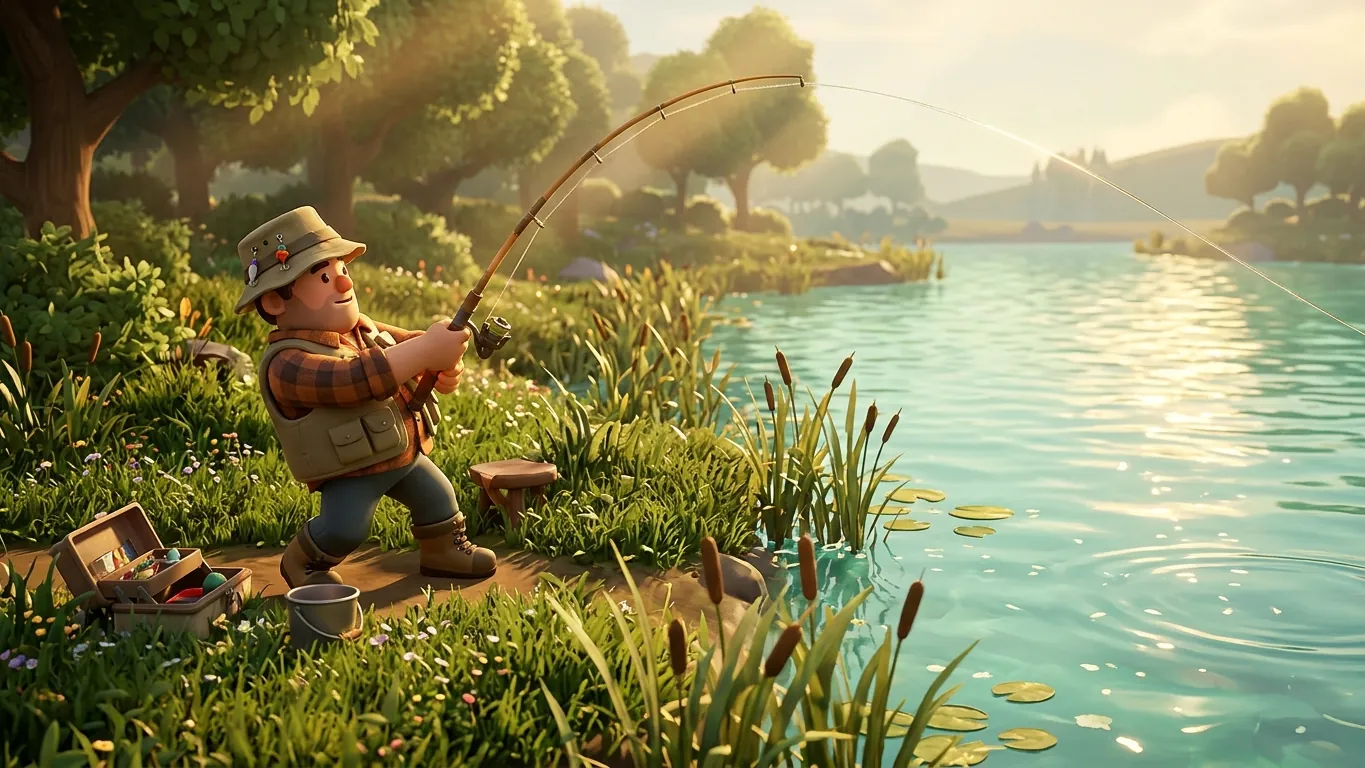 How Fishing Games Work: The Basics for New Anglers
New to fishing games? Learn the core loop of casting, waiting, hooking and landing fish, plus simple tips for a calm and enjoyable first session.
Read more