How Fishing Games Work: The Basics for New Anglers
Most fishing games share the same simple loop of casting, waiting, hooking and landing. This guide walks you through each stage so your first sessions feel relaxed instead of confusing.
The Core Loop: Cast, Wait, Hook, Land
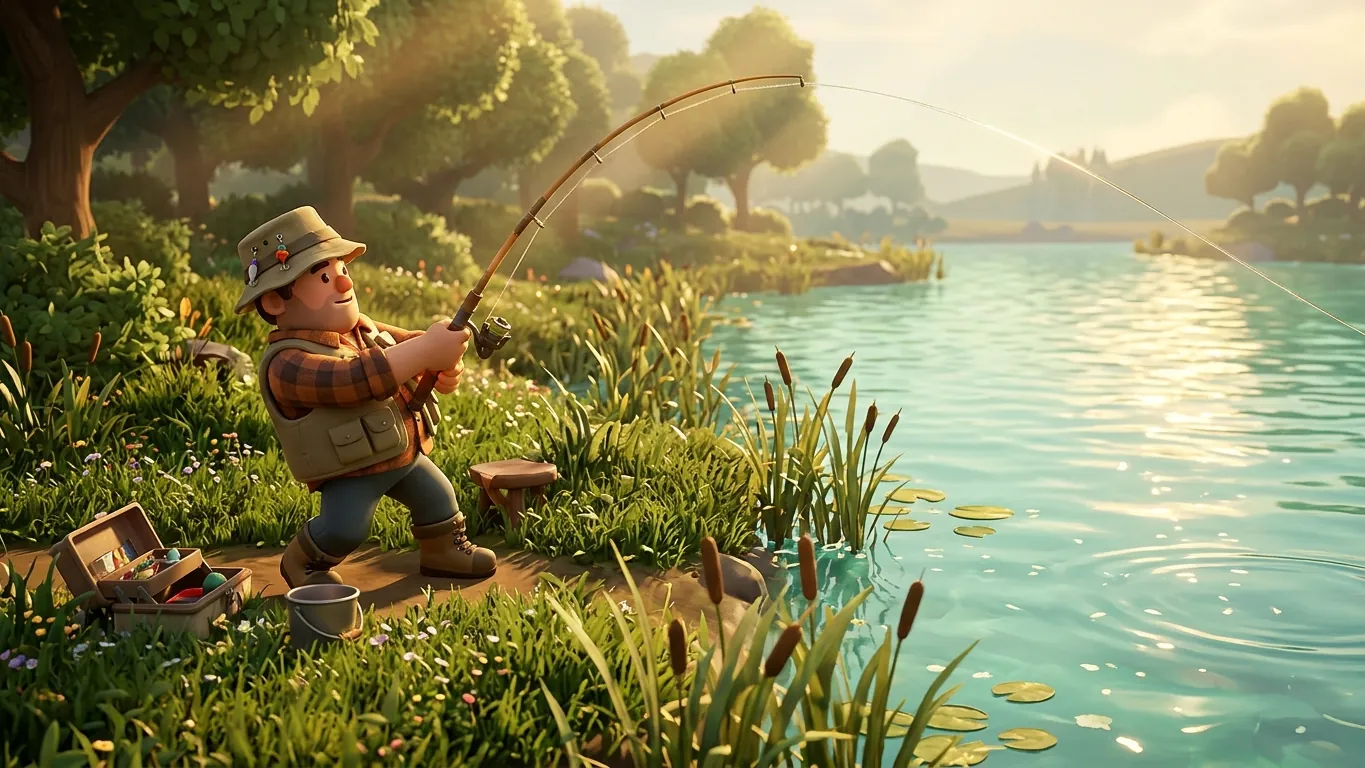
Whether you are playing a dedicated fishing game or trying the fishing activity in a big adventure game, the structure is usually familiar. You cast your line into the water, wait for a fish to show interest, react when it bites and then bring it in without losing it.
Each stage tests something slightly different. Casting is about aim and timing. Waiting is about patience and noticing small signals. Hooking rewards quick but calm reactions, and landing the fish is about managing pressure. Once you understand what each stage is asking of you, fishing games become much more enjoyable.
The good news is that you do not need to master everything at once. Most games start you in easy waters with forgiving fish, so you can learn step by step.
Casting: Distance, Accuracy and Timing
Casting often uses a power meter, a hold-and-release button or a motion that you time carefully. A longer hold usually means a longer cast, but more distance is not always better. Fish tend to gather near specific spots, so landing your bait close to them matters more than throwing as far as possible.
Try a few short casts first to learn how your game handles aim. Some games show a landing marker, while others expect you to judge it yourself. If your cast keeps falling short or flying too far, adjust gradually rather than making big changes each time.
The Bite and the Hook Set
After casting, the waiting begins. Games usually signal fish activity through a mix of cues: the bobber twitching or dipping, a sound effect, a controller vibration or a fish shadow approaching your bait. Small nibbles often come before the real bite.
A common beginner mistake is reacting to the first tiny twitch. In many games, pressing the button too early scares the fish away. Wait for the stronger signal, such as the bobber being pulled fully under, and then set the hook. It may take a few tries to feel the rhythm, and that is perfectly normal.
The Fight: Tension, Drag and Patience
Once a fish is hooked, most games switch to a reeling phase. This is where line tension comes in. Reel too hard and the line may snap. Reel too gently and the fish may escape or swim too far. Many games display tension through a bar, a colour change or the bend of the rod.
The general rule is simple: reel when the fish is tired or calm, and ease off when it pulls hard. Larger fish often fight in bursts, so expect a back-and-forth rhythm. Staying calm and responding to the signals usually works better than holding the reel button the entire time.
Your First Session in Five Steps
Here is a simple routine to help your first fishing session feel smooth and fun.
- 01
Play the tutorial
Even if it seems slow, the tutorial shows exactly how your game signals bites and tension.
- 02
Start in easy waters
Choose the first lake or river the game offers, where fish are usually more forgiving.
- 03
Practise short casts
Learn how aim and power work before trying long-distance throws.
- 04
Wait for the real bite
Ignore the small nibbles and react when the signal is clear and strong.
- 05
Watch the tension
Reel steadily and ease off when the fish pulls, keeping the line safe.
Related articles
 Choosing the Right Lure or Bait in Fishing Games
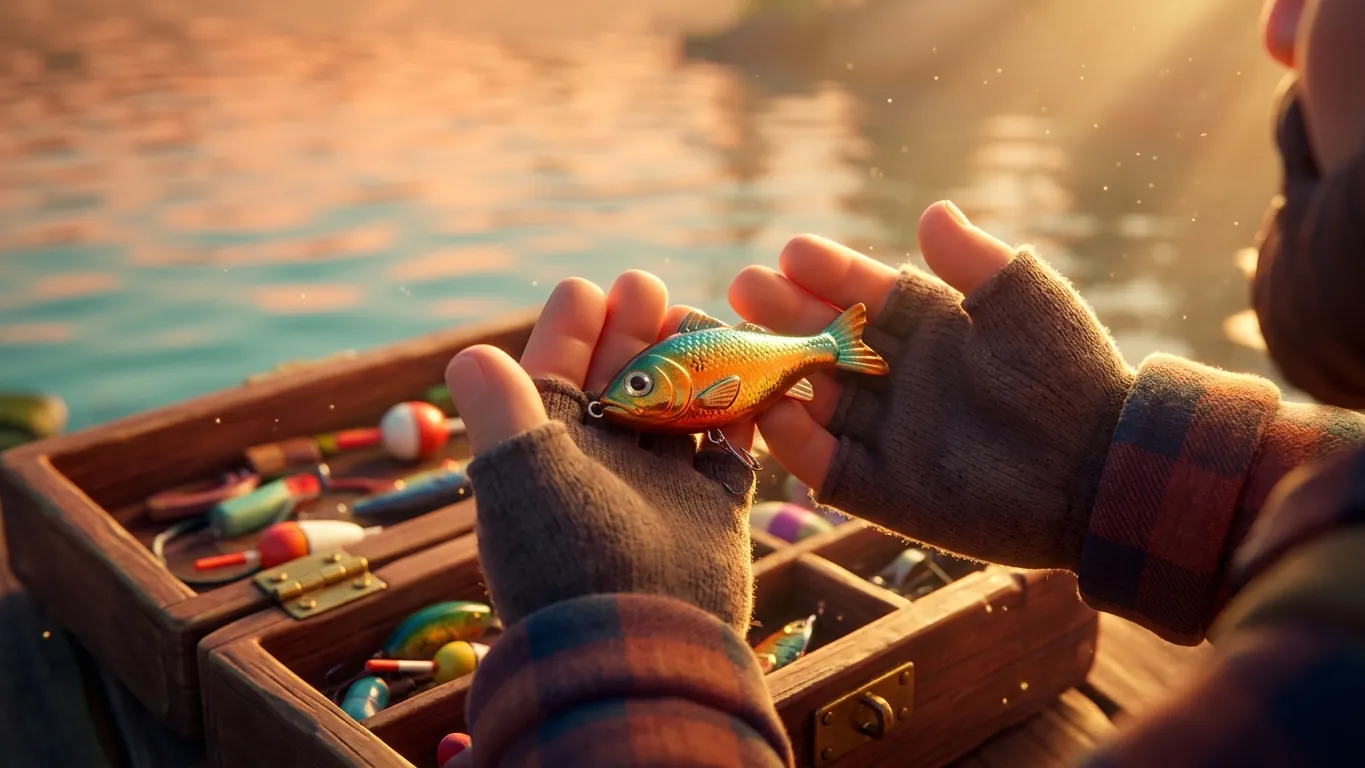
A friendly guide to choosing lures and bait in fishing games, from natural bait to spinners and topwater lures, plus tips for a useful tackle box.
Read more
 Reading the Water: Where Virtual Fish Like to Gather
Learn how to find fish more often in fishing games by reading structure, depth, shade and current, and by using in-game hints wisely.
Read more
 Mastering Line Tension Without the Stress
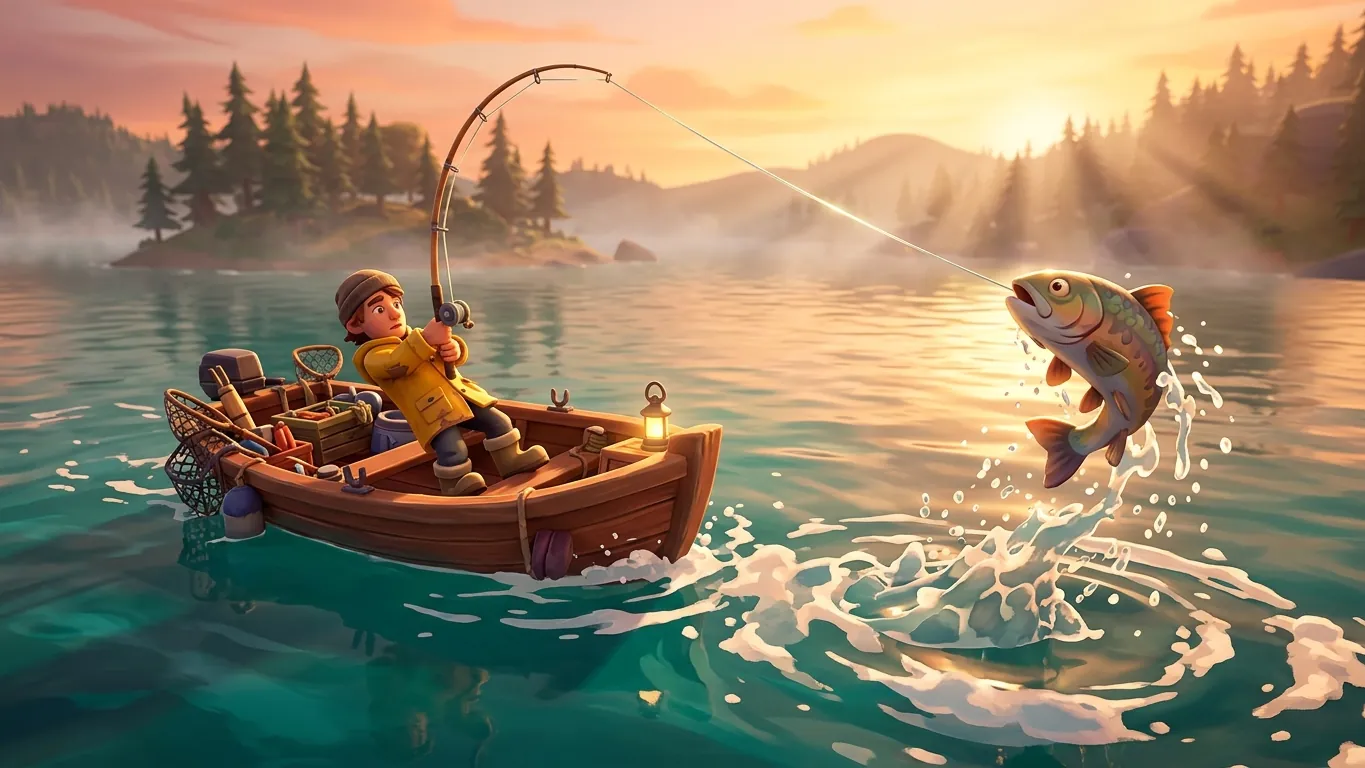
Struggling with snapped lines? Learn how line tension usually works in fishing games and follow a calm routine for landing larger virtual fish.
Read more